


🧬 Medical-Grade Compression
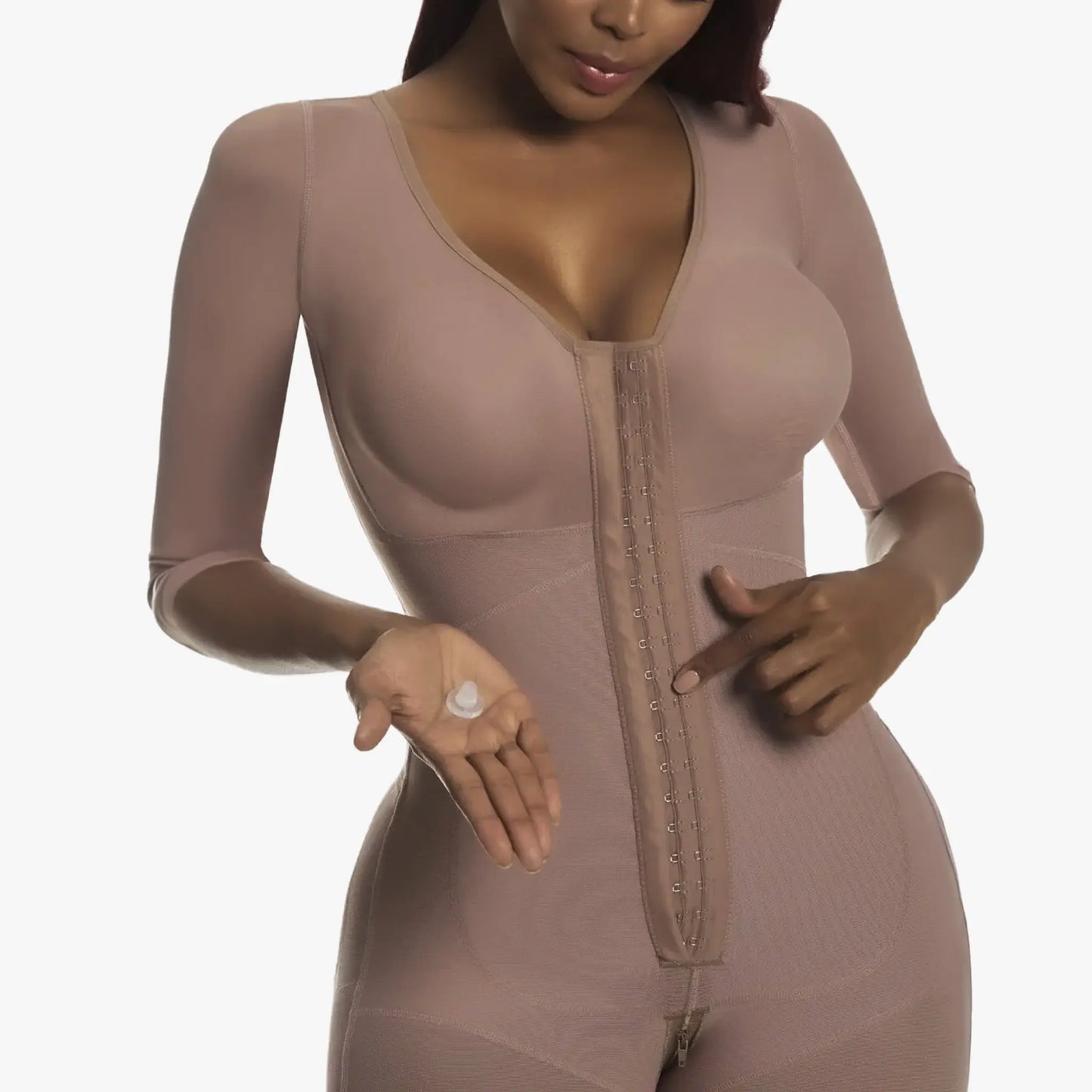
Powernet fabric with bidirectional stretch — firm where it counts, flexible where you move.


Size exchange guarantee
Free Shipping
Colombian-made shapewear
Size exchange guarantee
Free Shipping
Colombian-made shapewear
Size exchange guarantee
Free Shipping
Colombian-made shapewear
Size exchange guarantee
Free Shipping
Colombian-made shapewear
Size exchange guarantee
Free Shipping
Colombian-made shapewear
Size exchange guarantee
Free Shipping
Colombian-made shapewear
Size exchange guarantee
Free Shipping
Colombian-made shapewear
Size exchange guarantee
Free Shipping
Colombian-made shapewear
Size exchange guarantee
Free Shipping
Colombian-made shapewear
Size exchange guarantee
Free Shipping
Colombian-made shapewear


758 happy customers — and counting.
Couldn't load pickup availability


Before: swelling, uncertainty, and clothes that don't fit right.
After: the shape you worked for, the confidence to show it.


I was so nervous ordering online after my BBL but the size chart was spot on. Fits perfectly and doesn't roll down at all. That was my biggest fear.

Wore it 10 hours straight on my first day back at work. Didn't have to readjust once. Other fajas I've tried you're fixing them every hour.


Powernet fabric with bidirectional stretch — firm where it counts, flexible where you move.

Every Fajastec faja is made with medical-grade Colombian compression fabric — designed to support your body exactly where it needs it, stage by stage.

Crafted in Colombia, the global standard for post-surgery compression garments.
Here's how we compare to the rest.
| Fajastec | Others |
Size Guarantee |
|---|---|---|
Medical-Grade Compression |
||
Post-Surgery Specific Design |
||
Ships in 12 Hours |
||
100% Colombian-Made |
||
Benefit |

Feel less swelling after the first week of Stage 1
Report better posture and comfort by Stage 2
See visible shaping results by week 6
From Stage 1 recovery to everyday shaping — Fajastec delivers results you can feel from day one.
 NEW YOU (NS001)
Was this helpful?
52
0
NEW YOU (NS001)
Was this helpful?
0
0
NEW YOU (NS001)
Was this helpful?
57
0
NEW YOU (NS001)
Was this helpful?
38
0
NEW YOU (NS001)
Was this helpful?
71
0
NEW YOU (NS001)
Was this helpful?
43
0
NEW YOU (NS001)
Was this helpful?
92
0
NEW YOU (NS001)
Was this helpful?
52
0
NEW YOU (NS001)
Was this helpful?
0
0
NEW YOU (NS001)
Was this helpful?
57
0
NEW YOU (NS001)
Was this helpful?
38
0
NEW YOU (NS001)
Was this helpful?
71
0
NEW YOU (NS001)
Was this helpful?
43
0
NEW YOU (NS001)
Was this helpful?
92
0